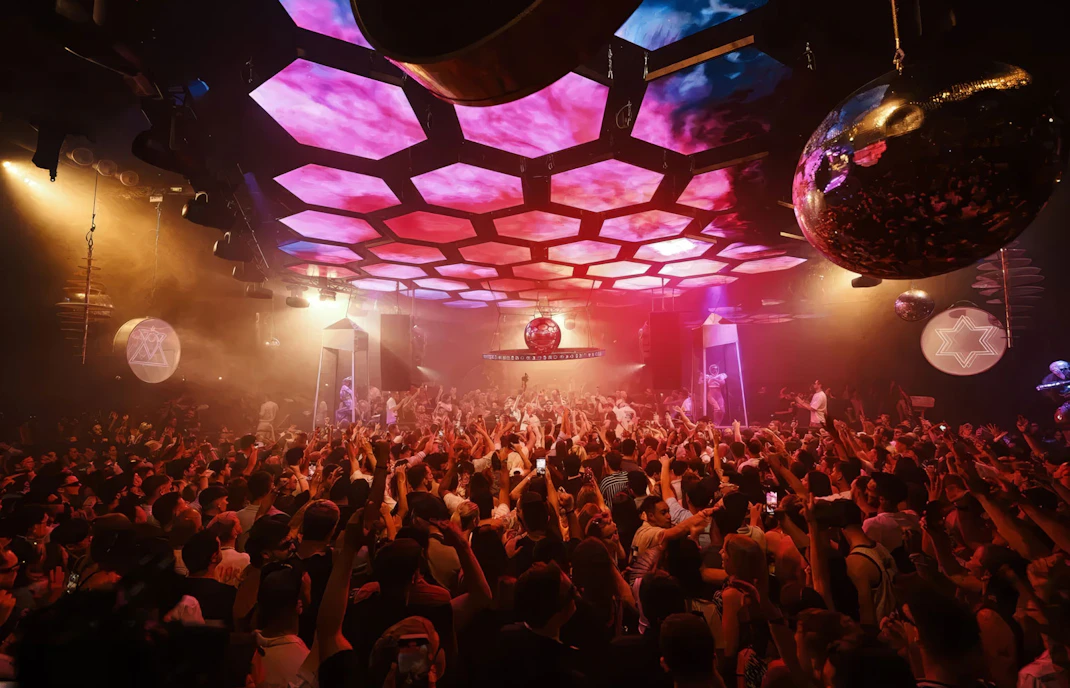
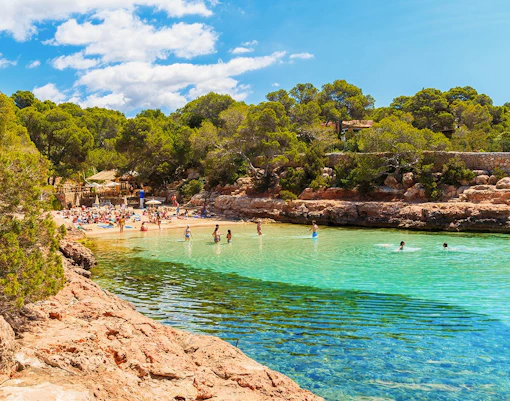
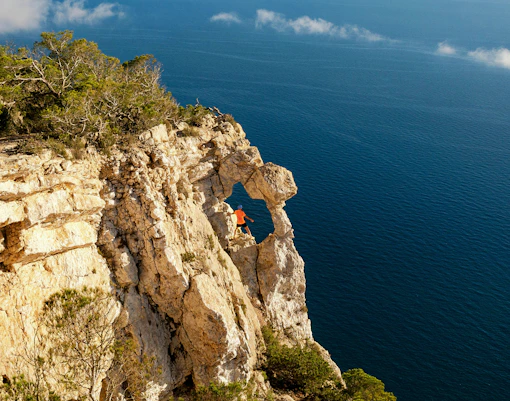
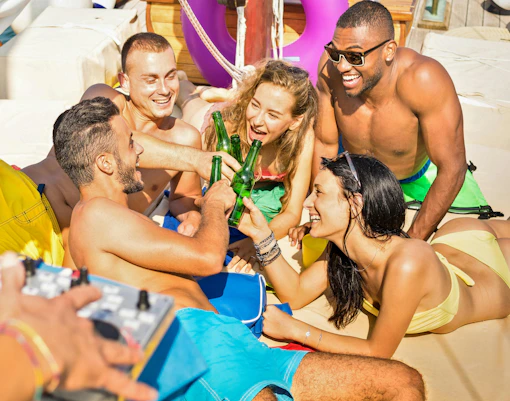
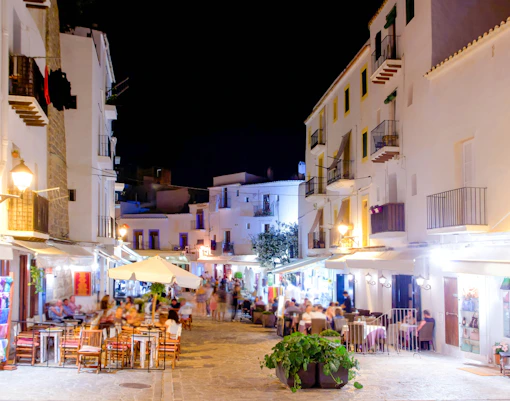
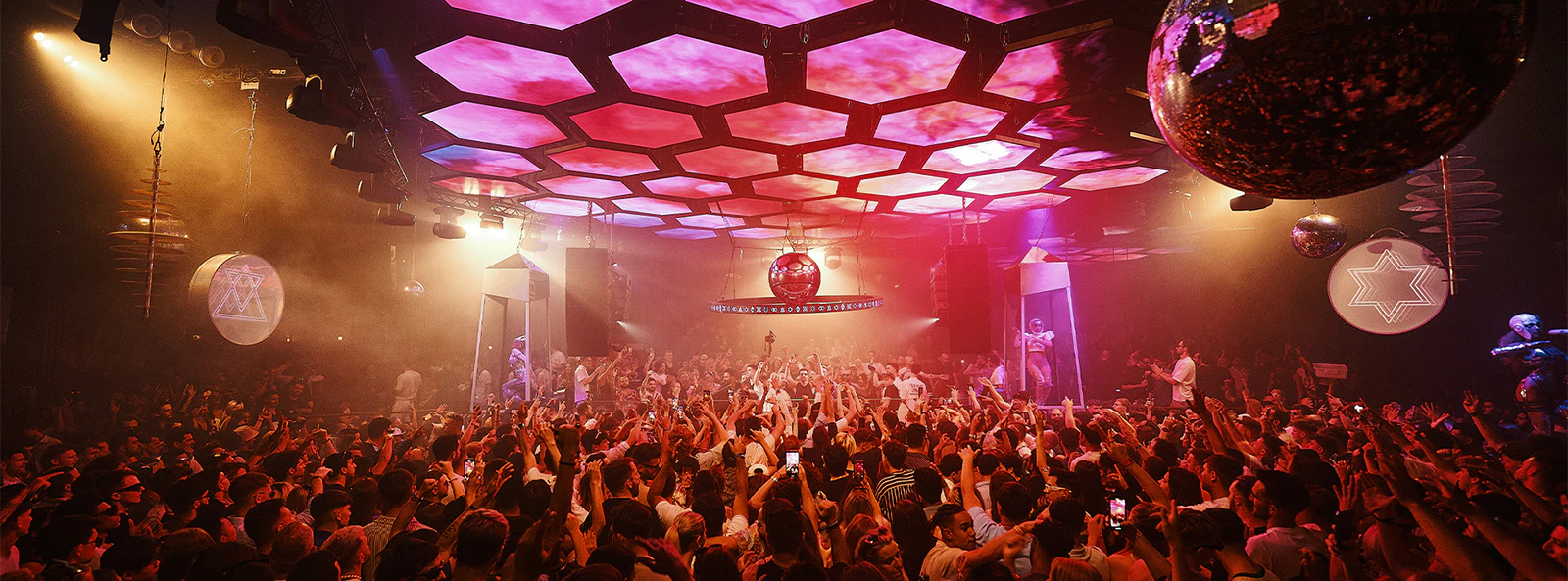
This is Ibiza in beast mode. Mega clubs like Ushuaïa, Amnesia, and Hï bring in the biggest DJ names like Calvin Harris, David Guetta, Peggy Gou. Expect sold-out events, wild crowds, and legendary parties like ANTS, Elrow, and F** Me I’m Famous*. It's hot, hectic, and expensive but absolutely electric.
Ibiza guide for first timers: The ultimate party breakdown
Ibiza is the global capital of electronic music, where sunsets turn into strobe lights and legends like Carl Cox and Peggy Gou command dancefloors until sunrise. From iconic superclubs like Amnesia and Hï to beachside sessions that blur day into night, Ibiza nightlife is an experience that pulses with energy, freedom, and pure sound.
But behind the velvet ropes and laser shows, there’s a rhythm to how things work—timing, tickets, dress codes, and more. Whether you're here for the beats, the vibes, or that one unforgettable sunrise, knowing the scene makes all the difference.
Ready to decode the night and do Ibiza right? Let’s dive in.
How Ibiza became the party capital of the world
Ibiza may be famous for its parties now, but it started as a quiet Mediterranean island with Phoenician roots and a laid-back hippie vibe. In the 1960s and ’70s, artists, free spirits, and musicians from all over the world were drawn to its natural beauty and open-minded energy. By the late ’80s, Ibiza's dance music scene exploded (thanks in part to British DJs who brought the acid house movement to its sandy shores). Clubs like Pacha, Amnesia, and Space became legendary, turning Ibiza into a nightlife mecca. Over the decades, it’s become the summer playground for celebrities, DJs, and music lovers alike. Everyone from Leonardo DiCaprio to Naomi Campbell have danced the night away here.
How to get there (and around)
Flights:
- Ibiza Airport (IBZ) is the main gateway to the island, located about 7 km from Ibiza Town.
- This small airport has regular connections from across Europe, especially from Spain and the UK. If you’re coming from further afield, connect via Barcelona or Madrid.
- From the airport, you can take taxis, buses, or pre-book private transfers to your accommodation.
Ferries:
- Ferries connect Ibiza with the mainland ports of Denia, Valencia, and Barcelona, as well as the nearby Balearic Islands Mallorca and Formentera.
- Ferry companies like Balearia, Trasmediterranea, and Mediterranea Pitiusa offer frequent sailings year-round, with more options in summer.
- This option is popular for travelers wanting to combine trips to multiple Balearic Islands or bring a vehicle.
Getting around:
- Rent a car
No question about it for the level offlexibility it gives you, especially if you’re not staying in the main party zones. Plus, you'll need it to reach some quieter beaches and avoid expensive hotel zones. - DiscoBus
Runs all night from June to September, connecting major clubs and party towns. Budget-friendly and fairly reliable. - Taxis
Hit or miss. Fine for short rides but not ideal after 6 am when the clubs empty.
When should you go?
Party-centric vs. DJ-centric: What do you prefer?
If there’s one thing Ibiza has perfected, it’s the art of the party. A typical evening might see you having dinner at midnight, stepping into a club at 2am, and walking out as the sun spills over the Mediterranean. Add to that the open-air beach venues and hotel rooftops, where music kicks off long before sunset, and you begin to see why Ibiza is in a league of its own.
But when people talk about nightlife here, there’s often an unspoken divide: are you going out for the music or for the party? Here’s what you should know about the two.
Pro tips for first-timers
- Arrive in the afternoon. Don’t land exhausted. Give yourself a nap and some food before going out.
- Pace yourself. Club nights start after midnight and often go until sunrise. You will need recovery days.
- Pre-buy tickets. It’s cheaper and guarantees entry. Sites like Ibiza Spotlight or Resident Advisor are your best bet.
- Water is expensive. €14 for 300ml at some clubs. Yes, really. Stay hydrated beforehand, and bring extra if you can.
- Dress smart but light. It’s hot. Some clubs have strict dress codes. People do make an effort to shine.
Other things to do at Ibiza
Frequently asked questions about visiting Ibiza for the first time
Not really. You won’t face any problem speaking English in most hotels, restaurants and clubs. But a friendly “hola” or “gracias” always goes a long way.
Yes. A small rental car gives you freedom to explore beyond the party circuit. You can explore hidden beaches and quiet villages easily and save time waiting for taxis.
Definitely. Look for drumming at Benirras Beach, rustic meals in Santa Gertrudis, and ancient landmarks like the Roman bridge in Santa Eulària.
It’s surprisingly rich. You’ll find hiking trails, candlelit restaurants serving fresh local food, artisan markets, and quiet countryside stays. It’s the hidden side of Ibiza that many first-timers love.
Yes, but stay alert. Petty theft can happen in crowded nightlife areas. Keep your phone secure and avoid slipping wallets into back pockets.
Yes. Ferries run daily from Ibiza Town and Playa d’en Bossa. You’ll get there in under an hour and explore postcard-perfect beaches and calm beaches.
Try Benirras, a wide rocky beach with a dramatic nearby rock formation and a relaxed vibe; or explore north shore coves for real peace and beauty.